 Did you know that your IE browser is outdated?








2026
High blood pressure can creep up quietly. You may go about your day feeling fine while your arteries work harder than they should. When the numbers stay high over time, the force against your artery walls increases the risk for stroke, heart disease, and other complications.
Globally, roughly 1.4 billion adults live with hypertension, and close to 600 million do not even know it. That alone says a lot about how silent it can be.
What Is High Blood Pressure?
According to the Cleveland Clinic, blood pressure is the force your blood exerts as it moves through your arteries. For most adults, normal blood pressure is considered below 120/80 mm Hg. When readings reach 140/90 mm Hg or higher, this is considered high blood pressure. The World Health Organization defines hypertension as blood pressure readings of 140/90 mm Hg or higher on two separate days. When blood pressure remains elevated, the heart must work harder against increased resistance, which can place added strain on the heart and blood vessels and increase the risk of serious health complications.
How to Know if You Have High Blood Pressure
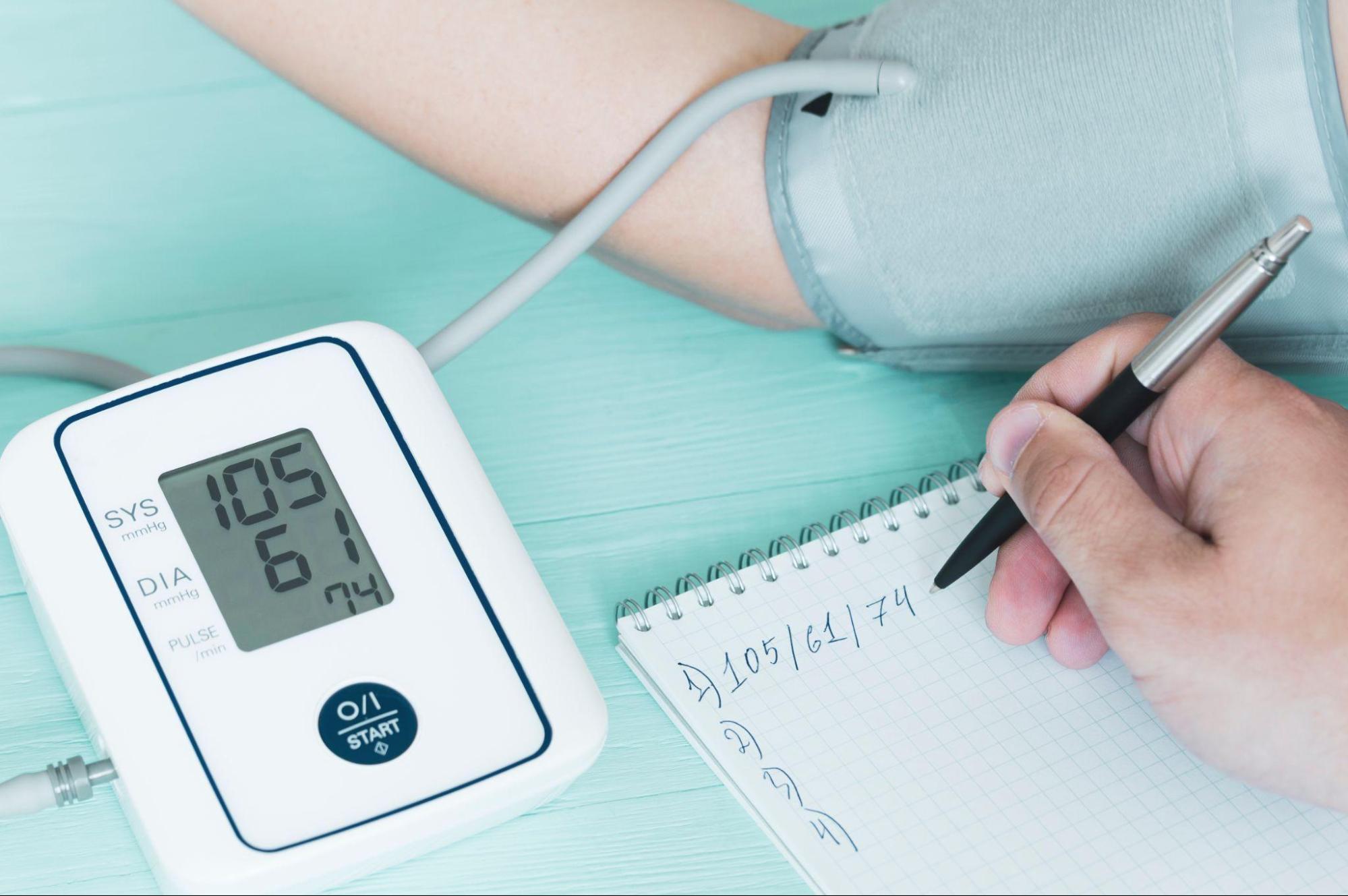
You usually cannot tell by how you feel. Most people with hypertension have no symptoms at all, which is why screening matters. A provider typically confirms a diagnosis with multiple readings, often using home or ambulatory monitors to get a clearer picture.
About one in five adults with high blood pressure is unaware of it, so a quick check can be more helpful than you might think.
Ways to Lower High Blood Pressure Naturally
Lifestyle changes can create steady improvements over time. You do not need to overhaul everything at once. Even small steps can shift the numbers.
Weight and Movement
Excess weight raises strain on the heart. According to the American Heart Association, you may see about a 1 mm Hg drop in systolic blood pressure for every kilogram of weight you lose. Think of it as easing the load one small step at a time.
Pairing weight changes with movement helps even more. Aerobic exercise, such as swimming, cycling, or walking, often lowers systolic readings by 5–8 mm Hg, while strength and isometric training offer additional modest drops.
Eating Patterns
A heart-forward eating approach, like DASH-style patterns, can make a noticeable difference. These meals center on vegetables, fruits, whole grains, and lean proteins. For many people with hypertension, this pattern can reduce systolic numbers by around 11 mm Hg.
On the other hand, reducing salt intake, sometimes even just cutting 1,000 mg a day, can lower readings by 5–6 mmHg. That is worth paying attention to because salt hides in places you might not expect, like bread, sauces, and packaged snacks.
Potassium From Food
Potassium shows up in simple foods like bananas, beans, greens, and yogurt. When your health allows, eating more of these can gently lower systolic blood pressure by a few points, sometimes 4–5 mmHg. The effect is not the same for everyone, so it helps to check with a provider, especially if you have kidney conditions.
Alcohol Awareness
Moderate drinking helps many people keep systolic blood pressure in a healthier range. Many adults see a drop of about 4 mm Hg in systolic blood pressure when they stay within one drink a day for women and two for men.
Blood Pressure Control Medications
In addition to the measures outlined above, there are many blood pressure control medications available to help you. Please speak with your Primary Care Provider (PCP) today to learn more about whether your blood pressure readings are normal, and whether a blood pressure control medication may be something to consider. As a member of Jai Medical Systems, blood pressure control medications are eligible for 90-day fills.
Your Next Step Toward Heart Health in Maryland
If you live in Maryland and need help managing your high blood pressure, you do not have to navigate it alone. As a member of Jai Medical Systems, you have access to primary care and specialists throughour Maryland who can provide preventive care, screenings, and support that can help control yourblood pressure in sustainable ways. We work with members across the state, helping you schedule visits, understand your readings, and keeping you connected with providers who can guide long-term heart health. Reach out anytime. Together, we can support a plan that fits your everyday life.